Silestone Worktops: Style, Durability and Everyday Practicality
Silestone worktops have become a popular choice for homeowners looking for a kitchen surface that combines contemporary design with durability and straightforward everyday maintenance.
Available in an extensive choice of colours, patterns and finishes, Silestone can create everything from a subtle, understated work surface to a striking centrepiece for a new kitchen. Its versatility means it can complement traditional cabinetry just as successfully as a sleek contemporary design.
At Natural Stone Sales Ltd, we supply, fabricate and install bespoke Silestone worktops, creating surfaces individually tailored to the dimensions and design of each kitchen.
But what exactly is Silestone, how does it differ from natural stone, and what makes it such a practical choice for kitchen worktops?
What Is Silestone?
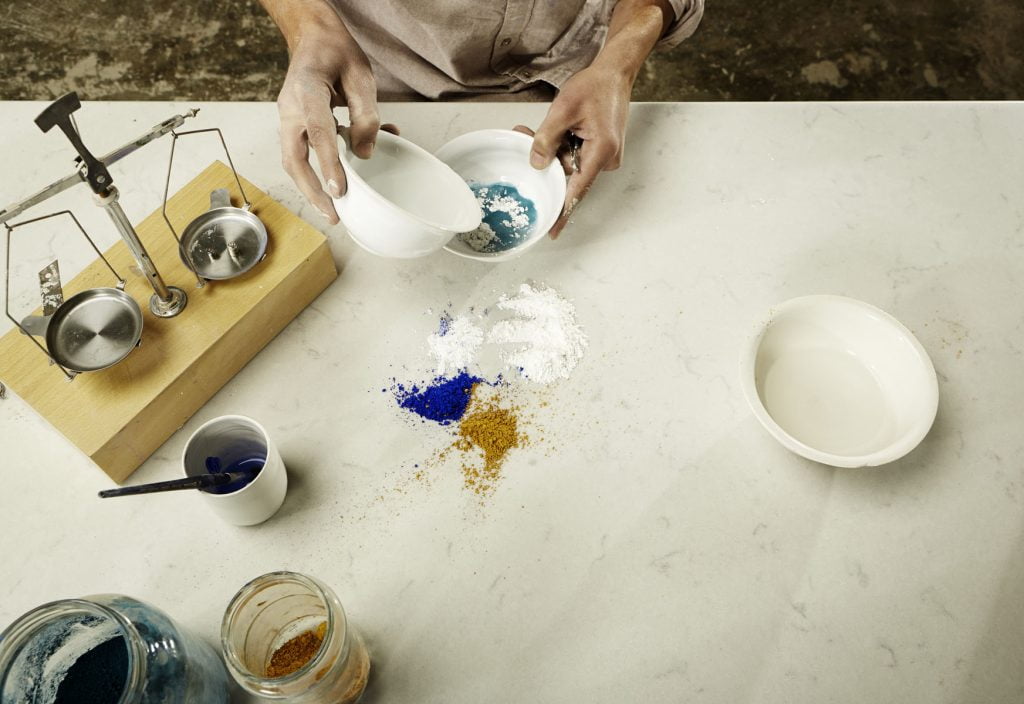
Silestone is a low-silica mineral surface manufactured by Cosentino. Modern Silestone is produced using the company’s Hybriq+ technology, combining premium minerals and recycled materials while significantly reducing the crystalline silica content found in earlier generations of the product.
This is an important distinction because Silestone has evolved considerably since it was first introduced. Older descriptions frequently referred to Silestone as being made predominantly from natural quartz, but this no longer accurately describes the current product range.
Today, all Silestone colours manufactured using Hybriq+ technology have a maximum crystalline silica content of 40%, while Silestone XM identifies colours and collections with a maximum crystalline silica content of 10%.
Unlike granite or limestone, Silestone is not a slab of stone quarried directly from the ground. Its carefully controlled composition provides a high-performance surface while allowing an enormous choice of colours, patterns and finishes.
Why Choose Silestone for Kitchen Worktops?
A kitchen worktop has to do much more than simply look attractive.
It is one of the hardest-working surfaces in the home, regularly exposed to food, drinks, spills, cleaning and the knocks that inevitably come with everyday life.
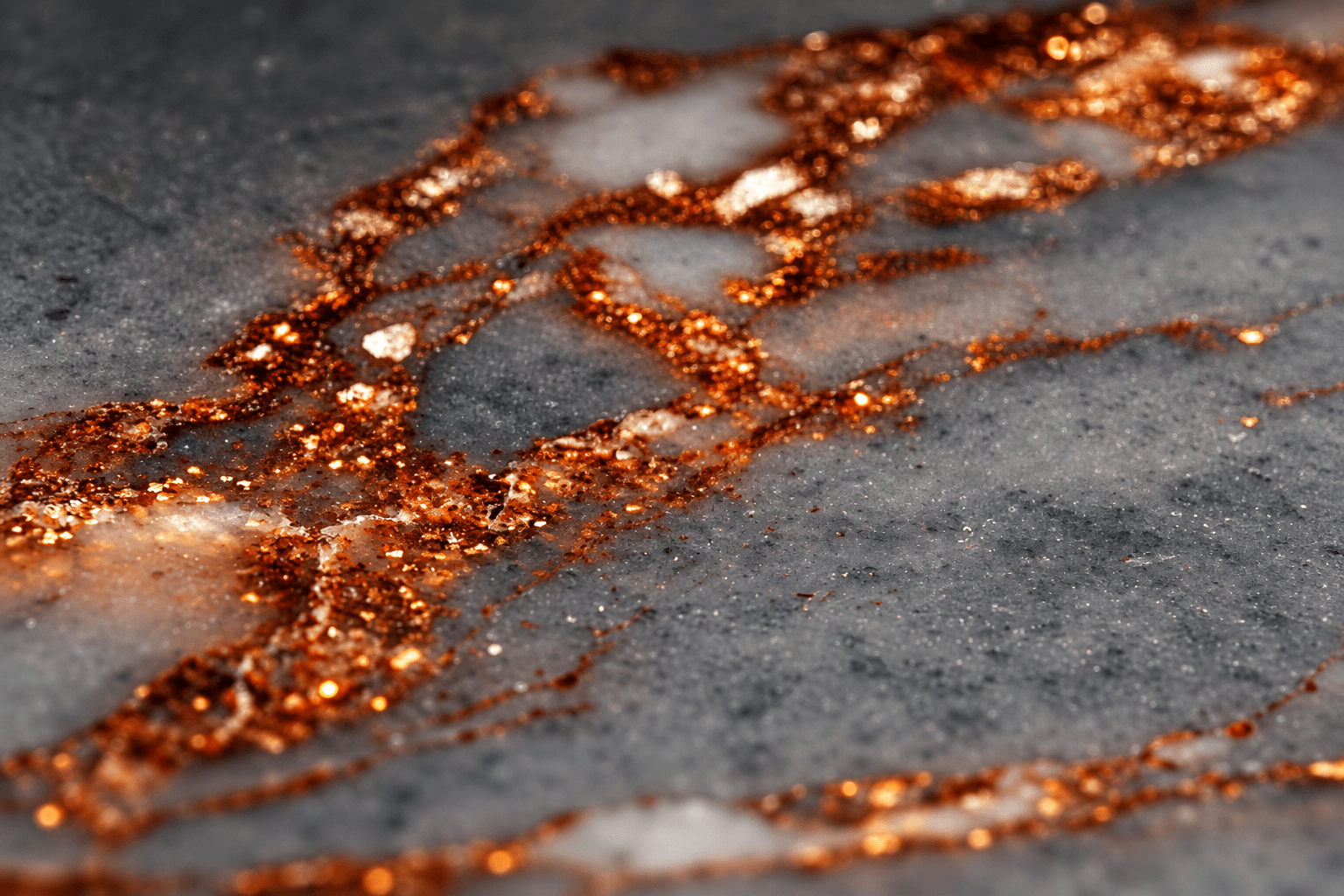
Silestone’s low porosity makes it highly resistant to stains, while Cosentino also highlights its resistance to scratches and everyday impacts. These characteristics, combined with its extensive design choice, have helped make Silestone particularly well suited to kitchen worktops.
For a busy family kitchen, this combination of appearance and practicality can be particularly appealing.
A Huge Choice of Colours and Designs
One of Silestone’s greatest attractions is the amount of choice available.
Natural granite and limestone derive their colour and markings from geological processes, so natural variation is an inherent part of their character. Silestone offers a much more controlled design palette.
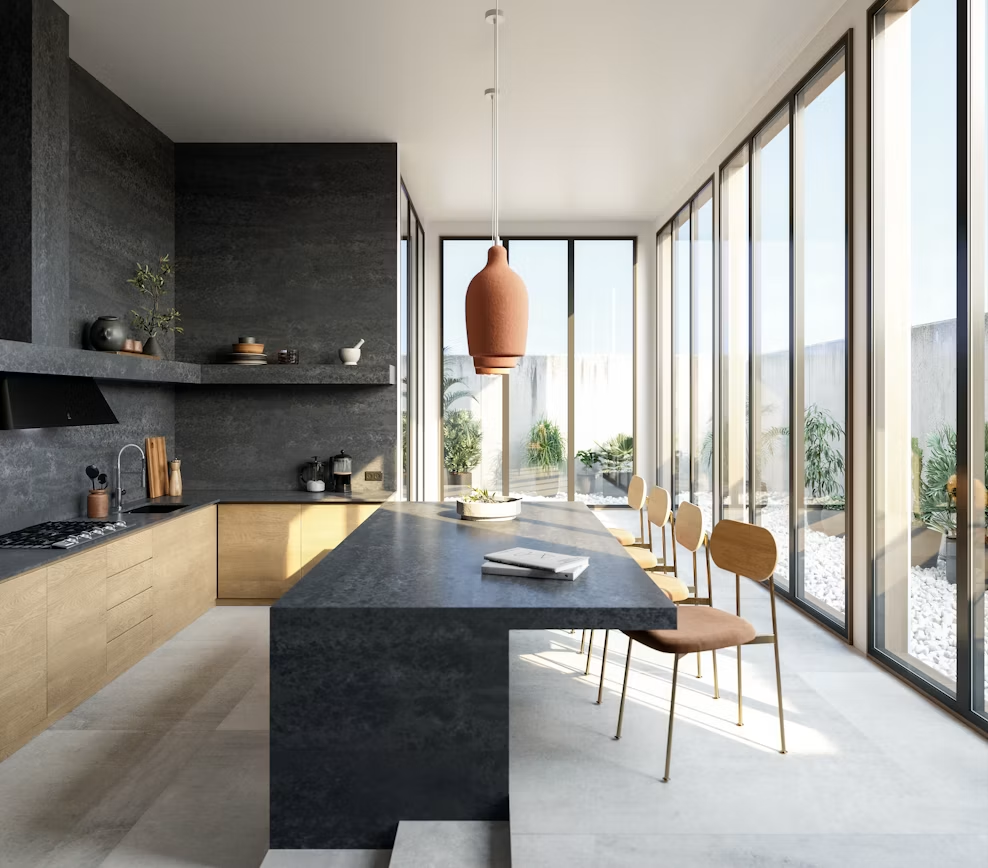
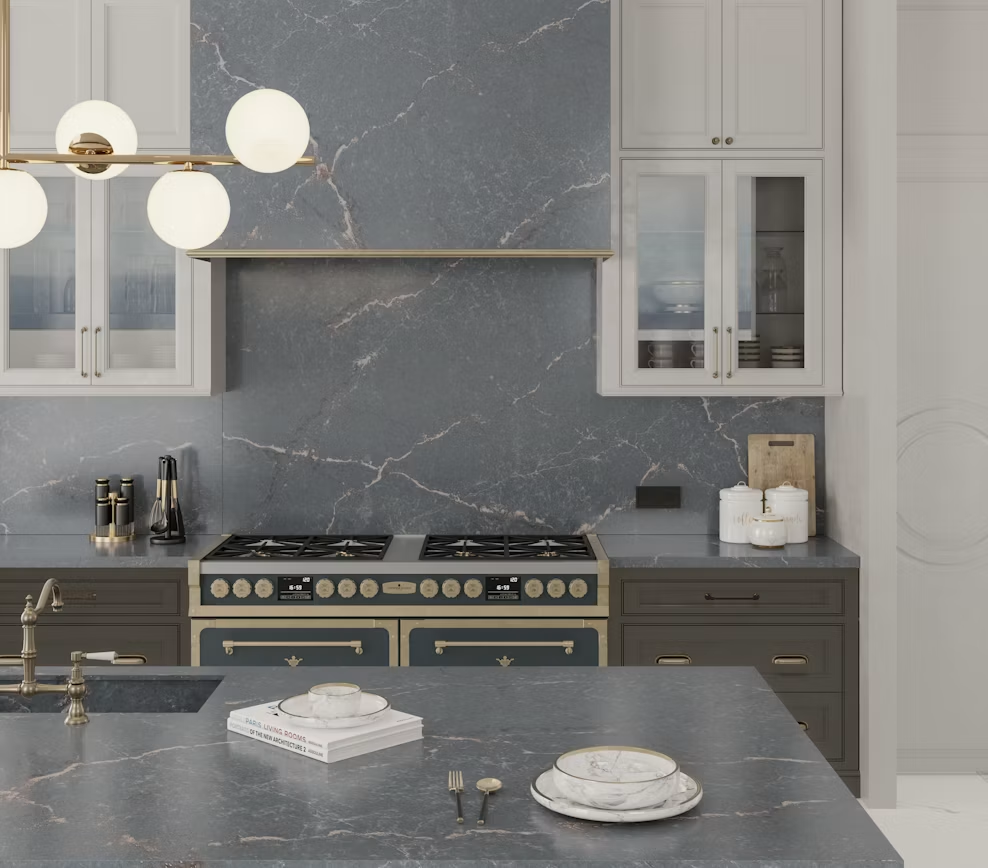
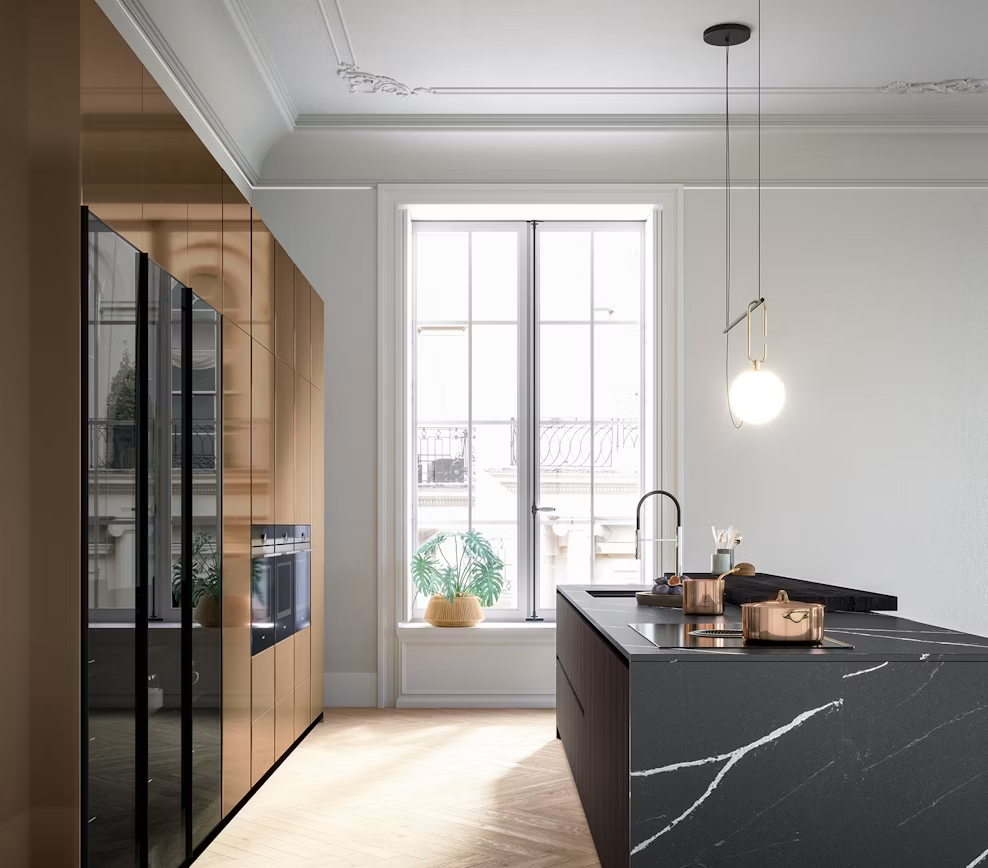
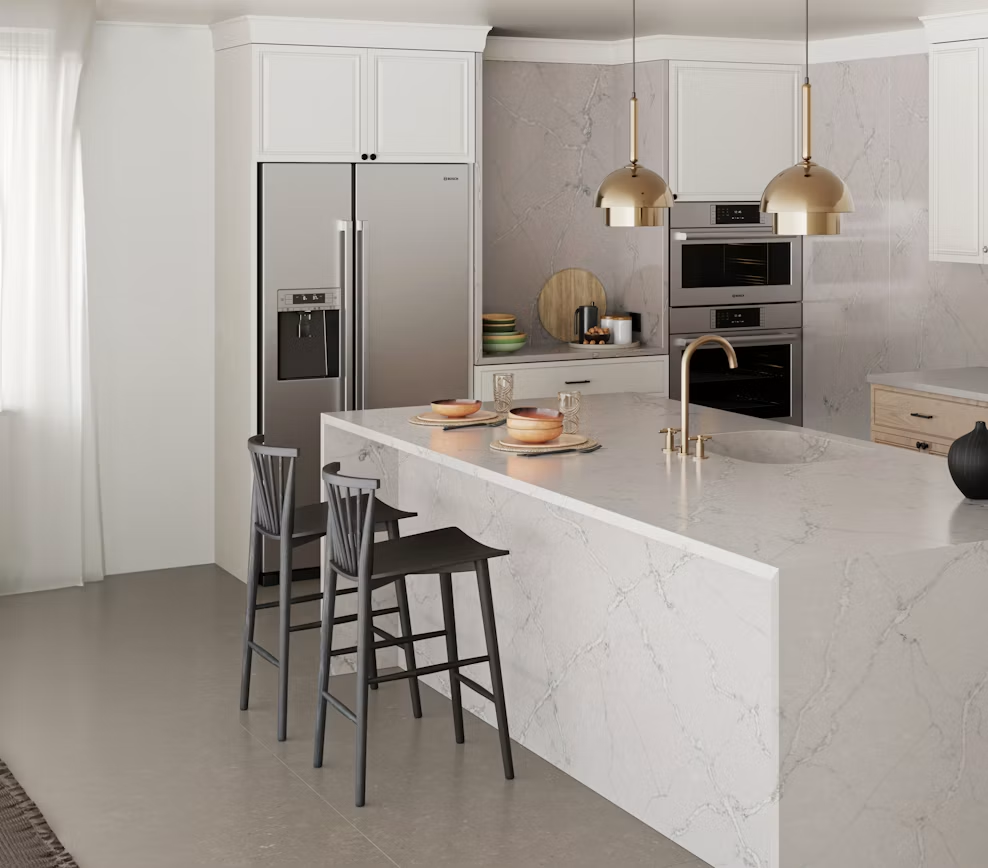
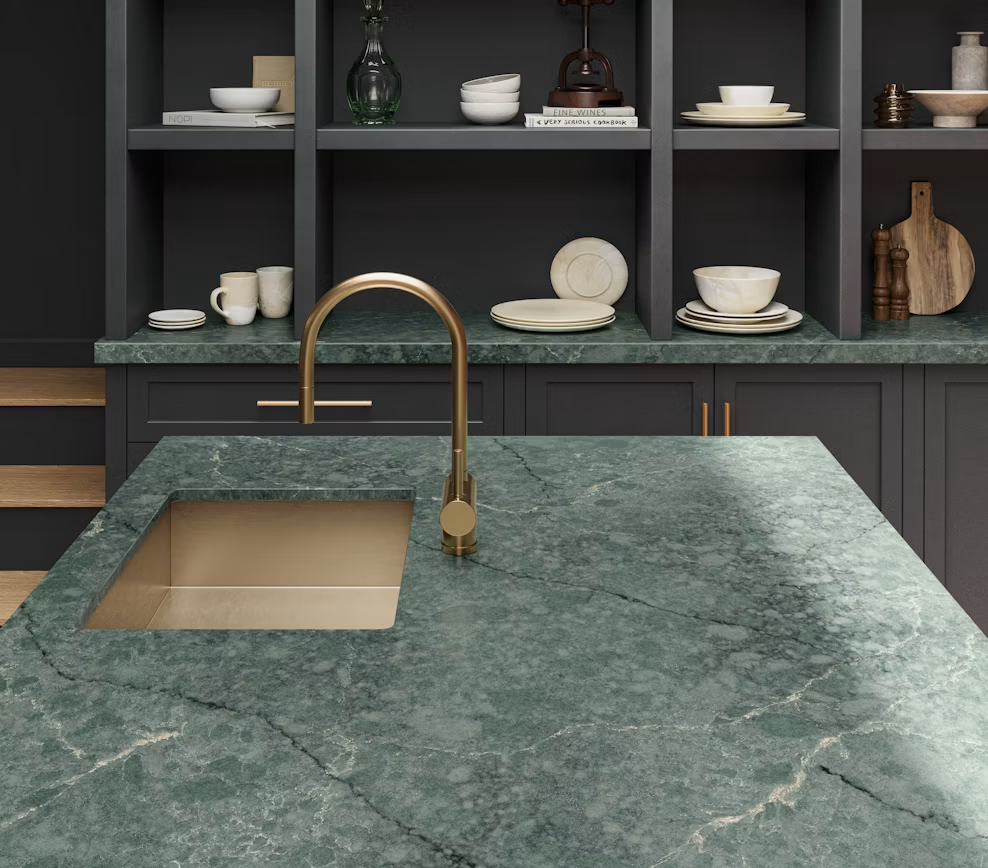
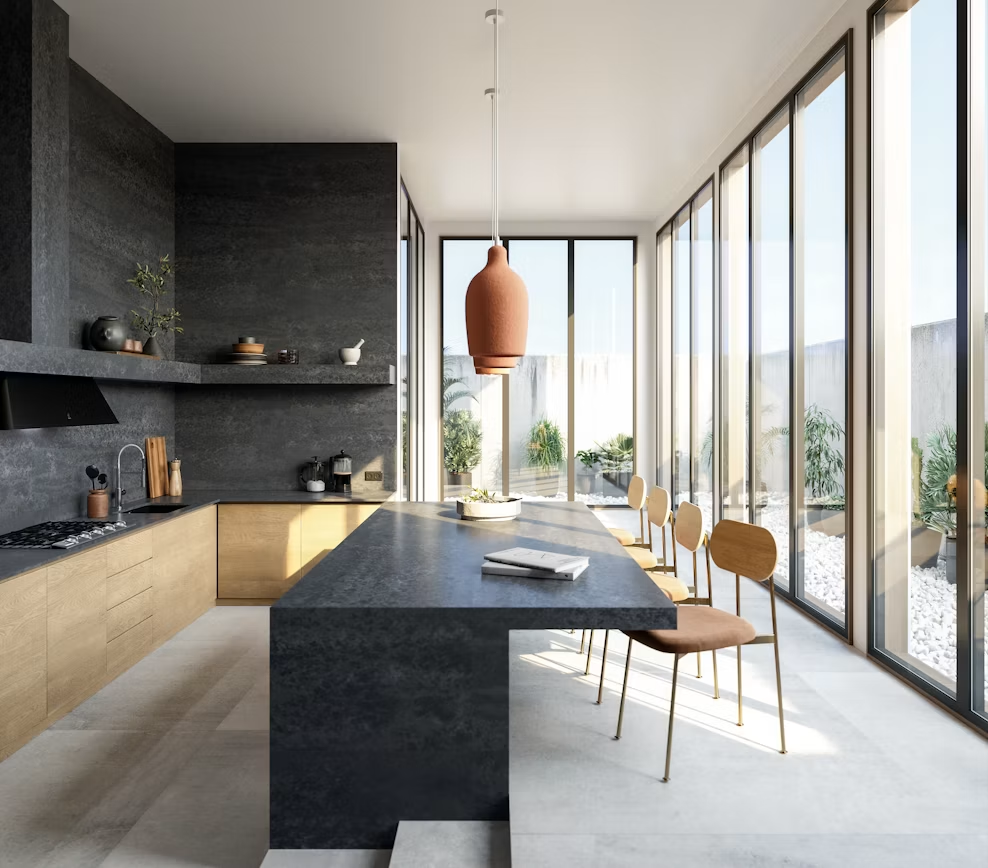
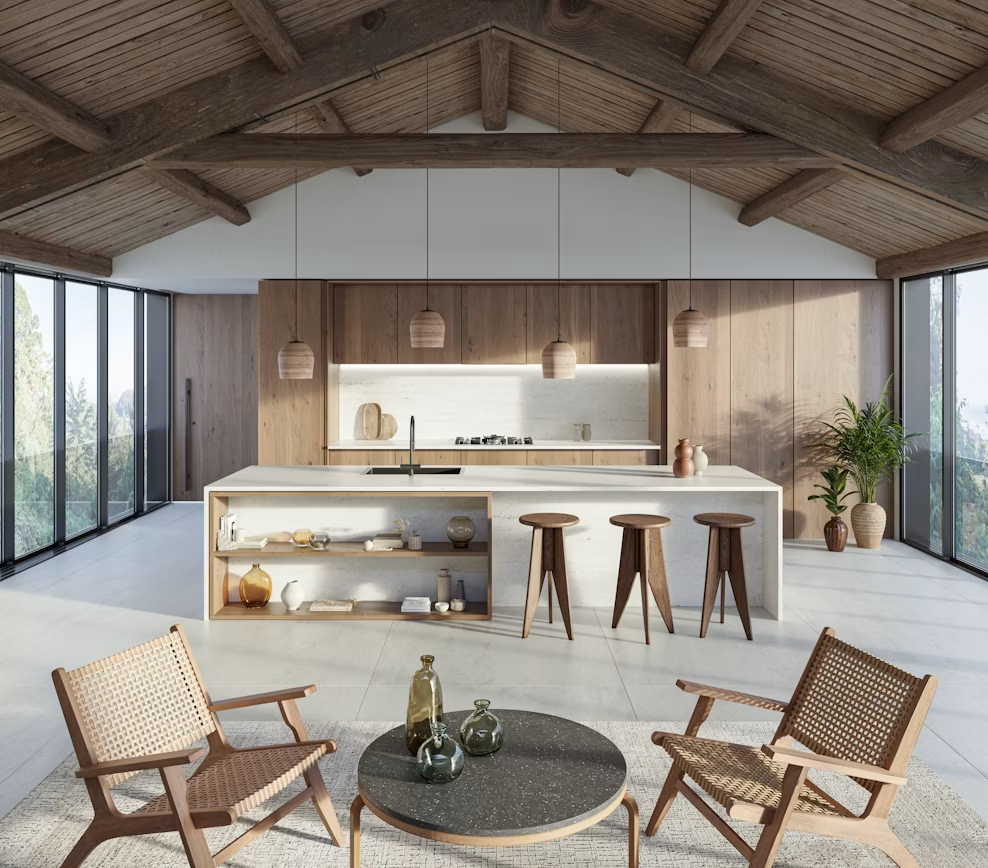
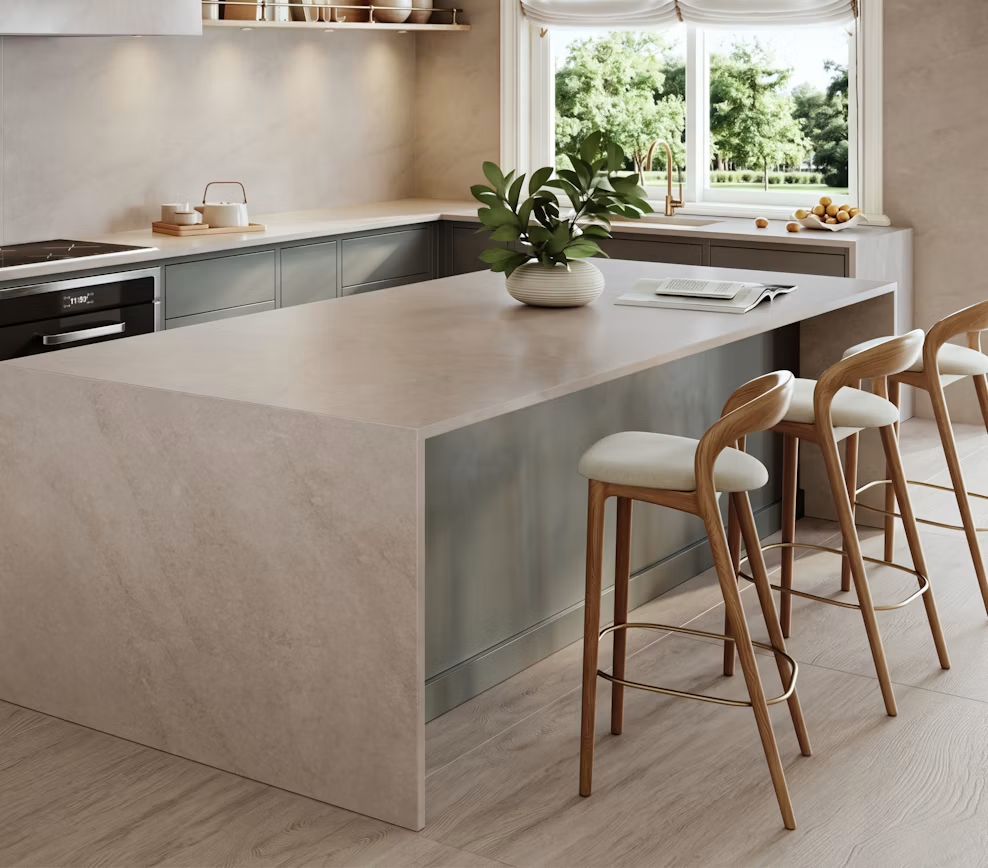
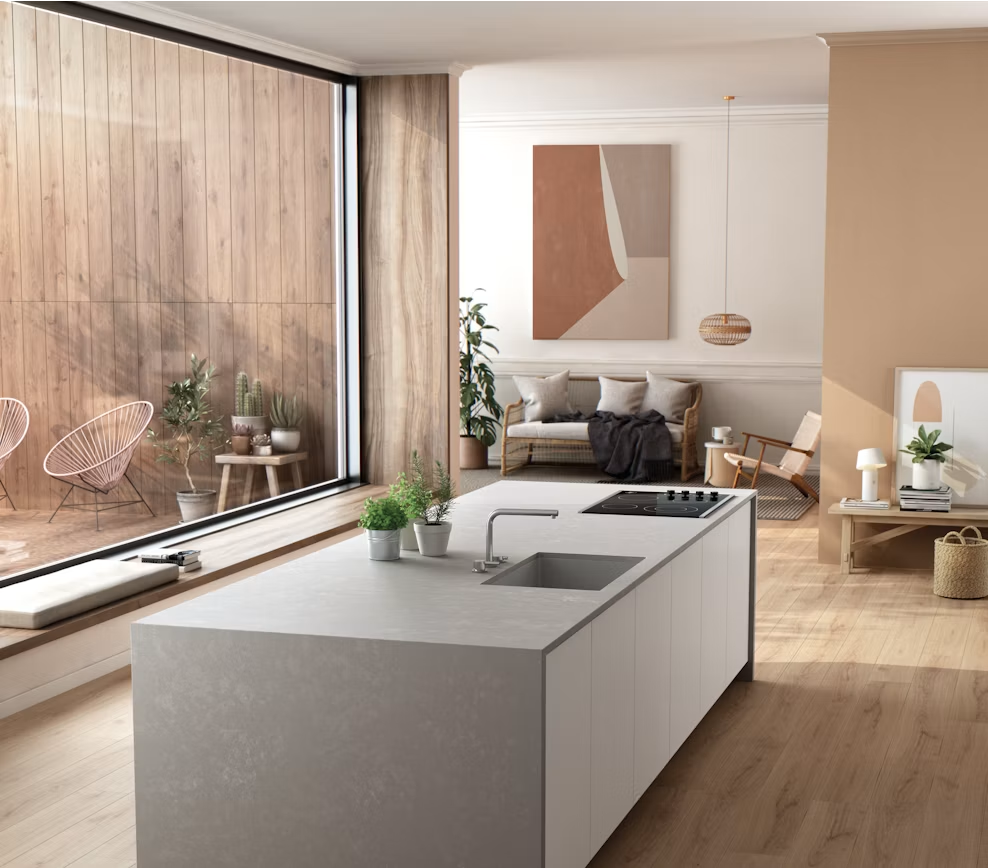
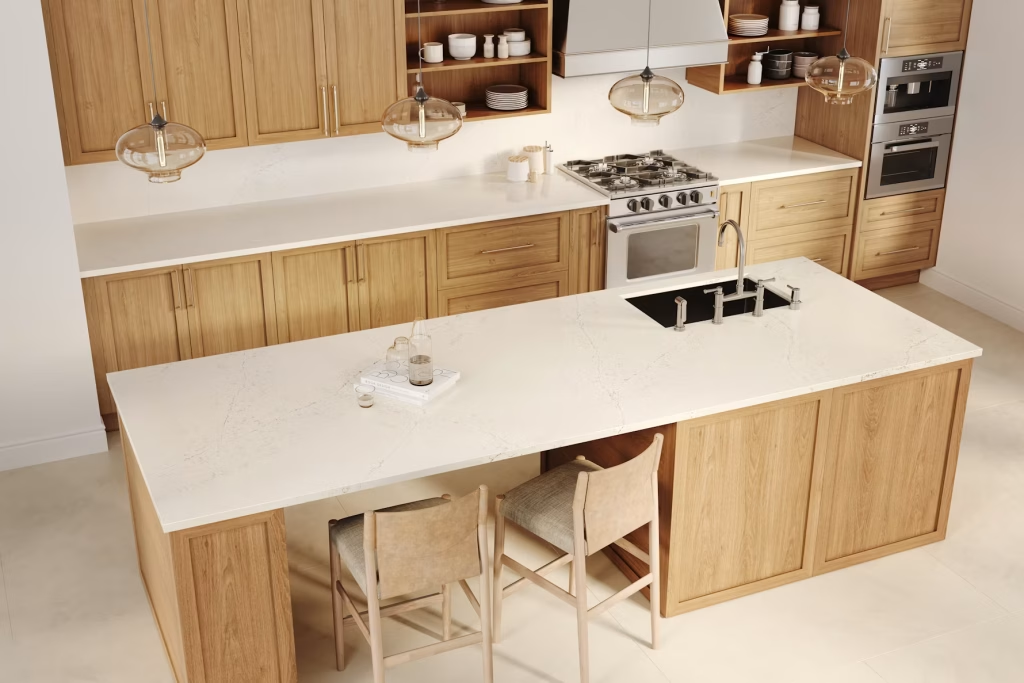
Depending on the collection selected, this can range from subtle neutral surfaces and understated stone-inspired finishes to dramatic veining and stronger statement colours.
This gives homeowners, kitchen designers and interior designers considerable freedom when coordinating worktops with cabinetry, flooring, wall colours and other features within the room.
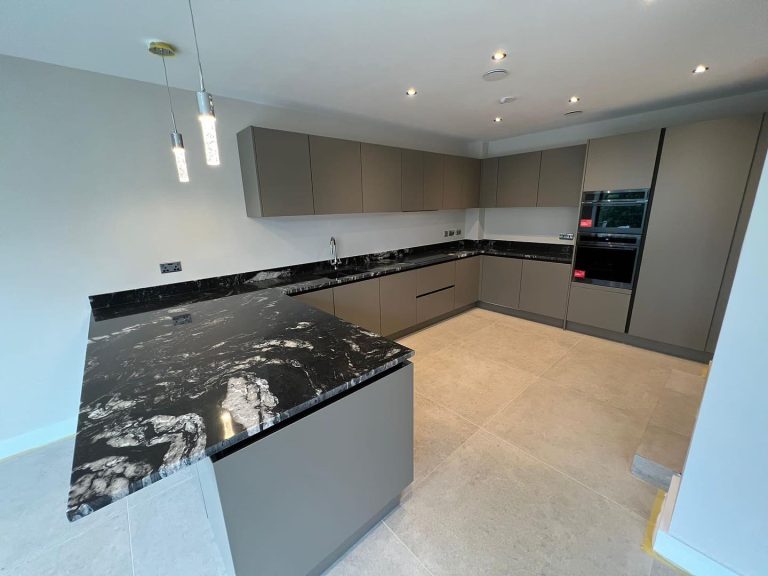
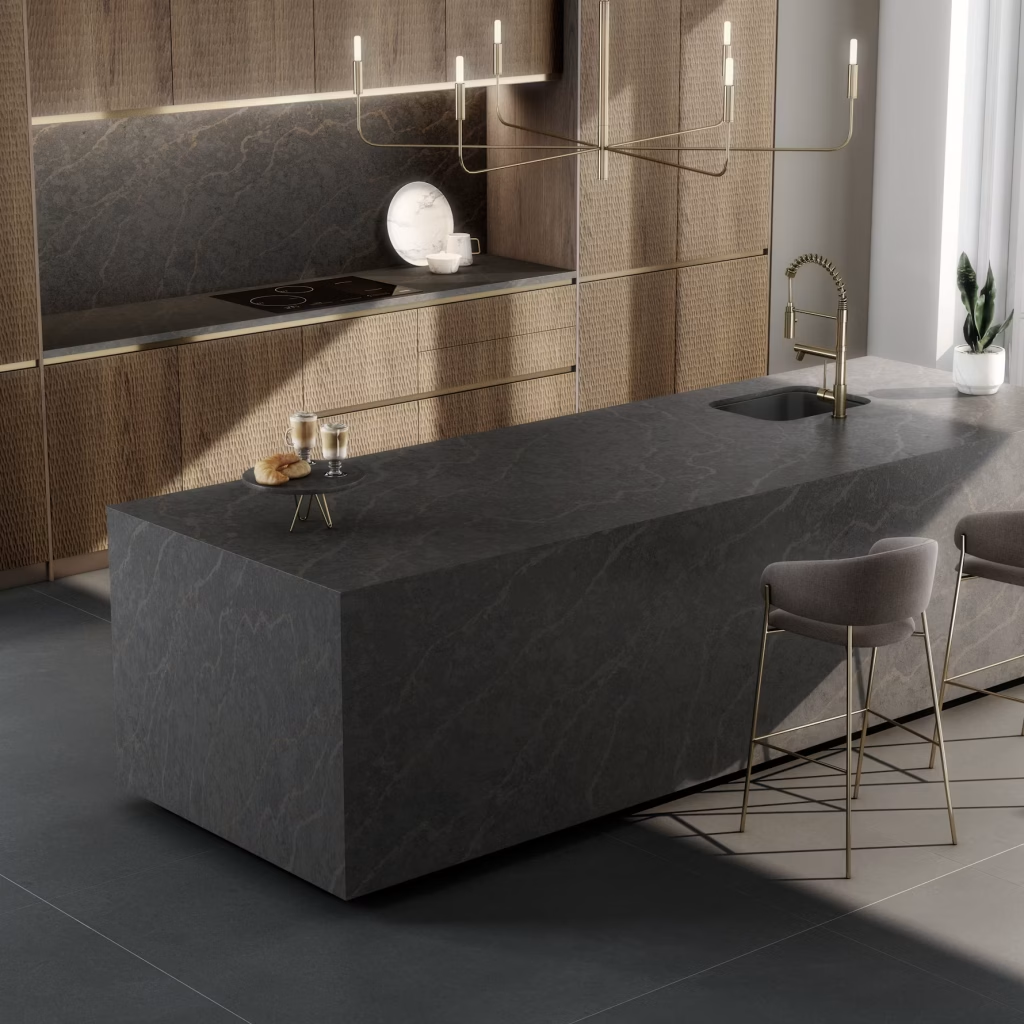
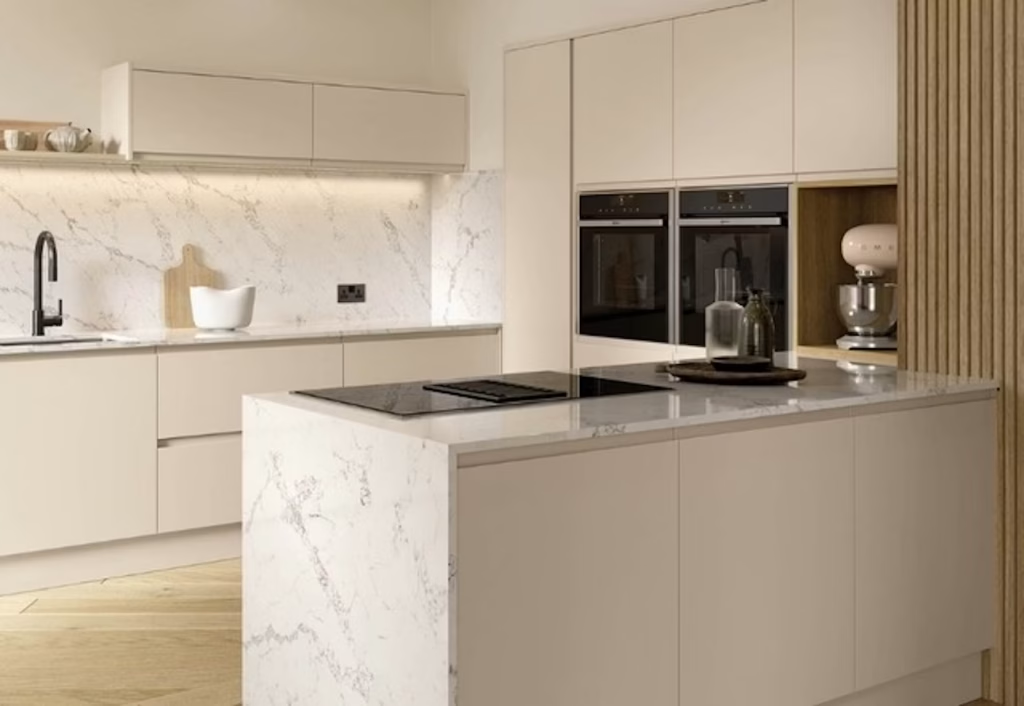
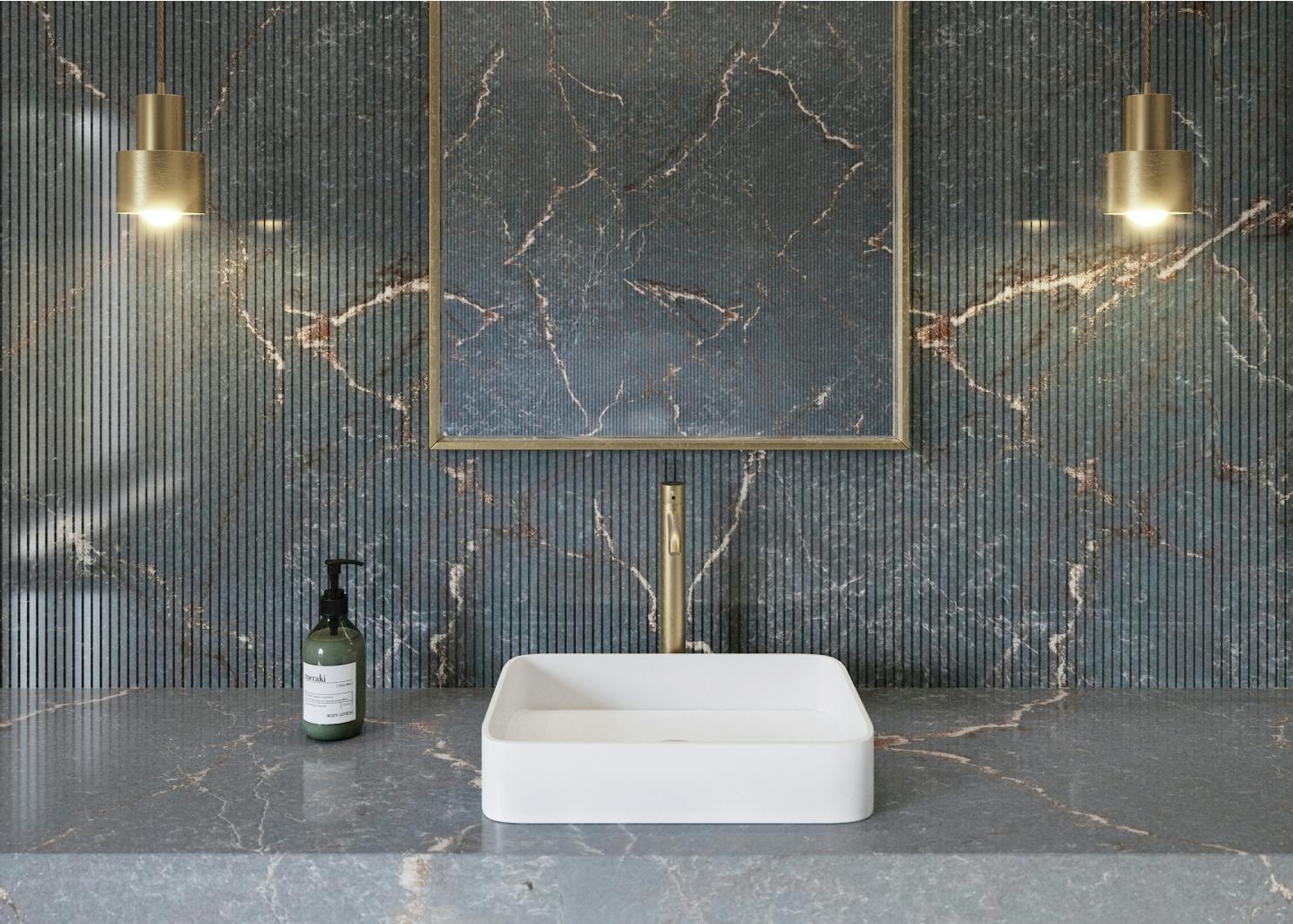
For anyone who loves the appearance of strongly veined natural stone but wants the characteristics and consistency of a modern mineral surface, there are some particularly striking Silestone options available.
Polished or Suede Silestone?
The finish chosen can significantly alter the appearance of a worktop, even when the same Silestone colour is used.
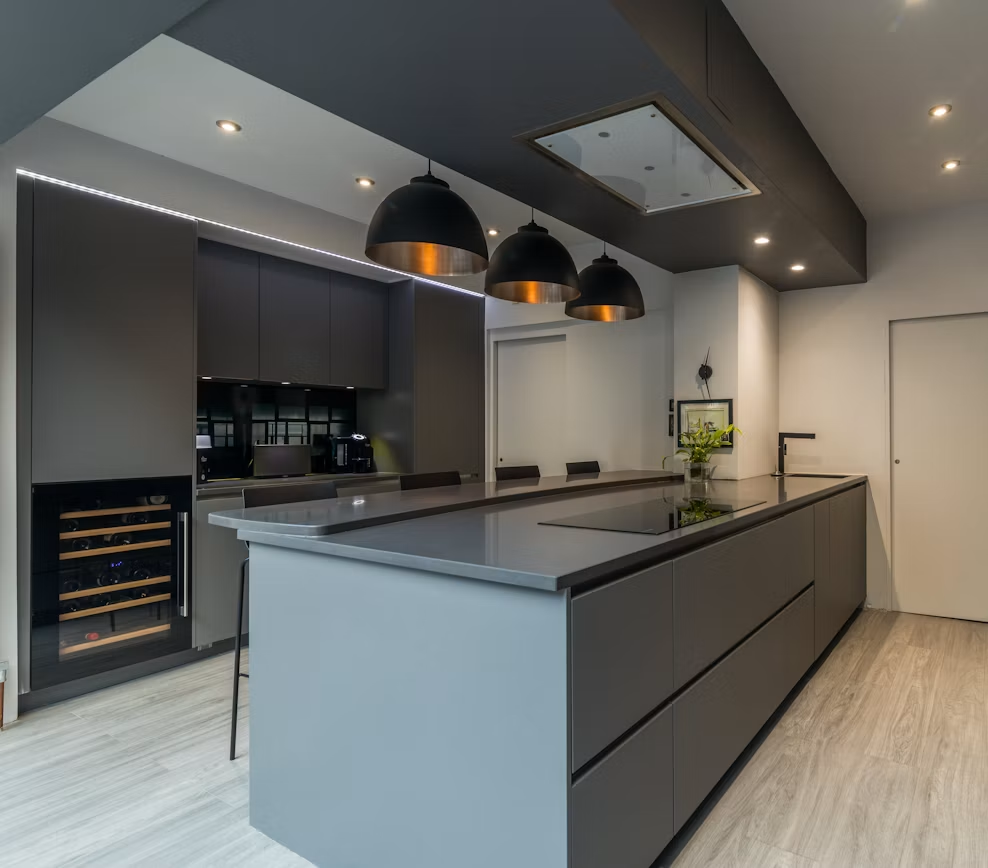
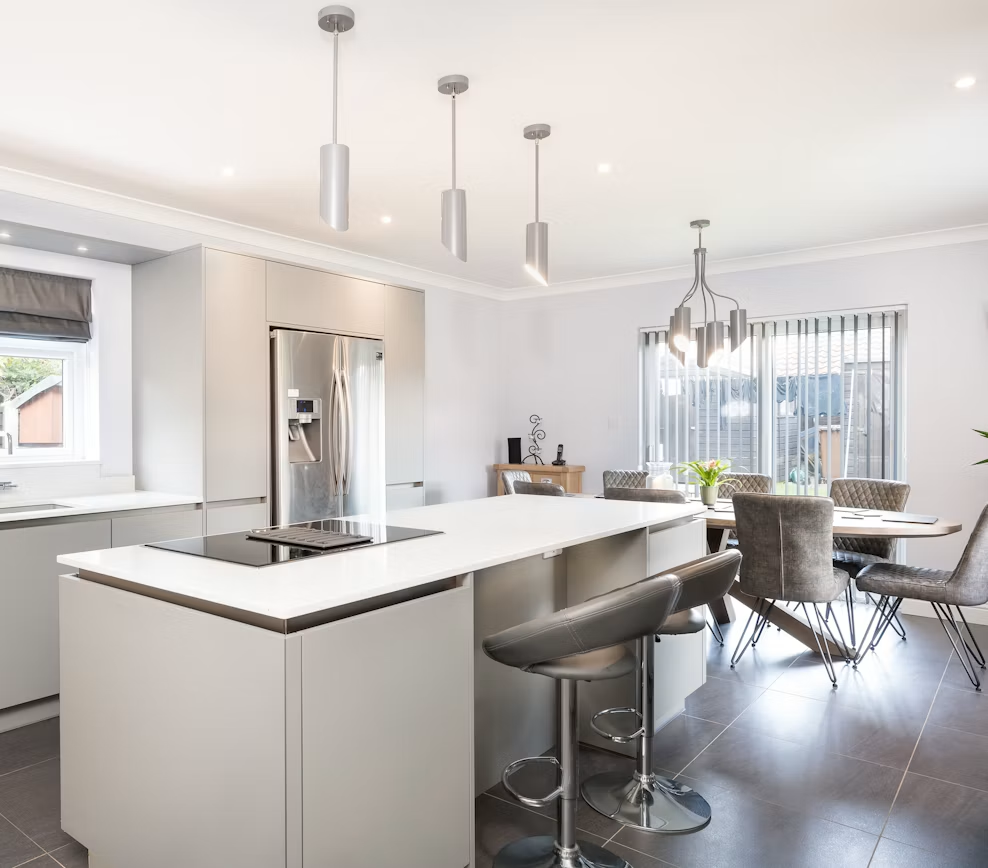
A polished surface creates a brighter, more reflective appearance and can emphasise the colour and pattern within the material. It can work particularly well when the worktop is intended to become a prominent feature of the kitchen.
The Silestone Suede finish provides a softer, more matt appearance and a different tactile quality. It can be particularly effective within understated contemporary kitchens where a highly reflective surface isn’t desired.
This is one of the reasons we recommend seeing worktop materials and samples in person. Photographs are useful for inspiration, but they cannot completely reproduce differences in texture, reflection, colour and the way a surface responds to changing light.
Bespoke Silestone Worktops
Choosing the material is only part of creating a successful kitchen worktop.
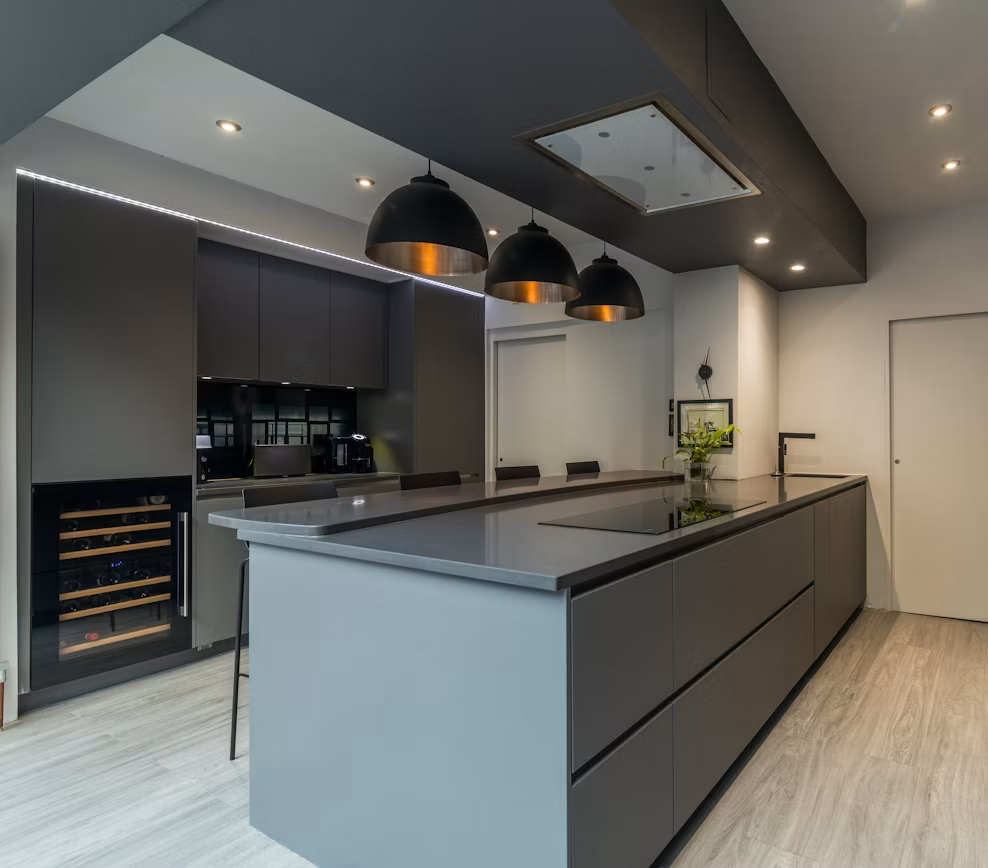
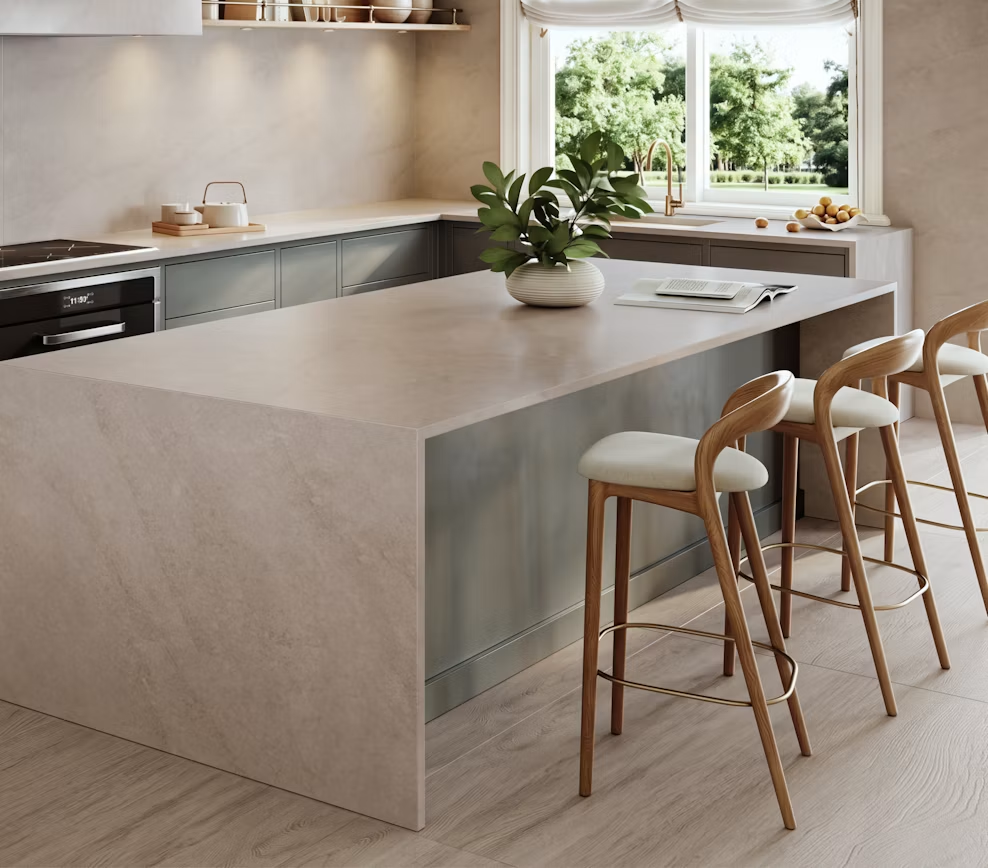
Every kitchen has different dimensions and requirements, which is why Silestone worktops can be fabricated specifically for the individual installation.
At Natural Stone Sales Ltd, we can create bespoke worktops to accommodate sinks, hobs and other kitchen features, with the dimensions, joints and edge details considered as part of the overall design.
Careful measurement and fabrication are particularly important around cut-outs, corners and joints, where precision has a significant effect on the appearance of the finished installation.
The objective is a work surface that looks and feels as though it was designed as an integral part of the kitchen.
Silestone for Islands, Splashbacks and Other Kitchen Features
Silestone doesn’t have to stop at the worktop.
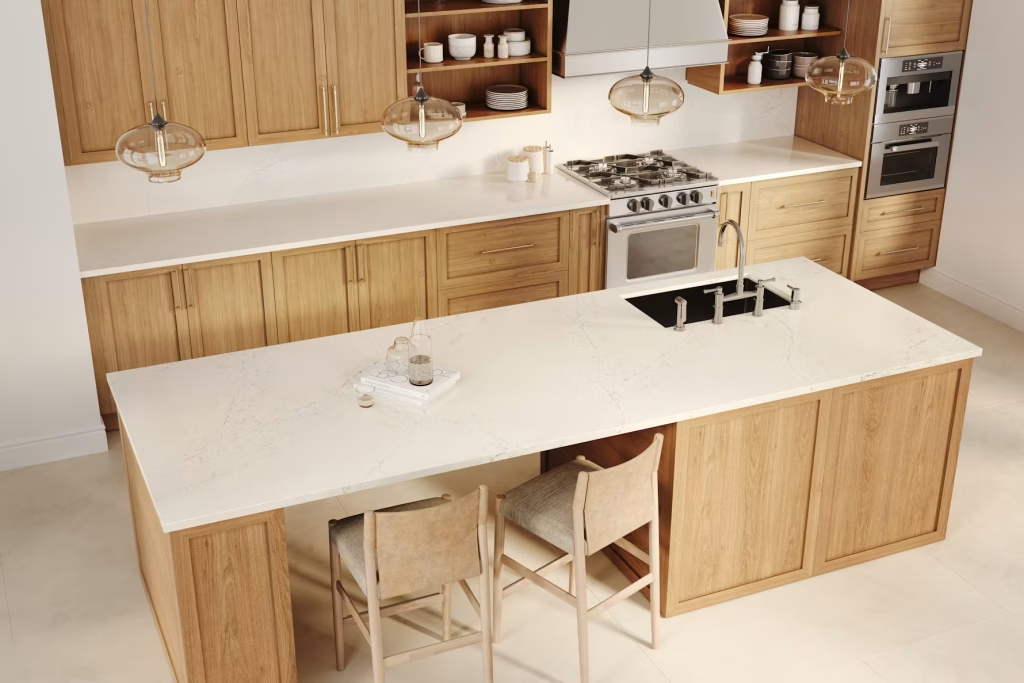
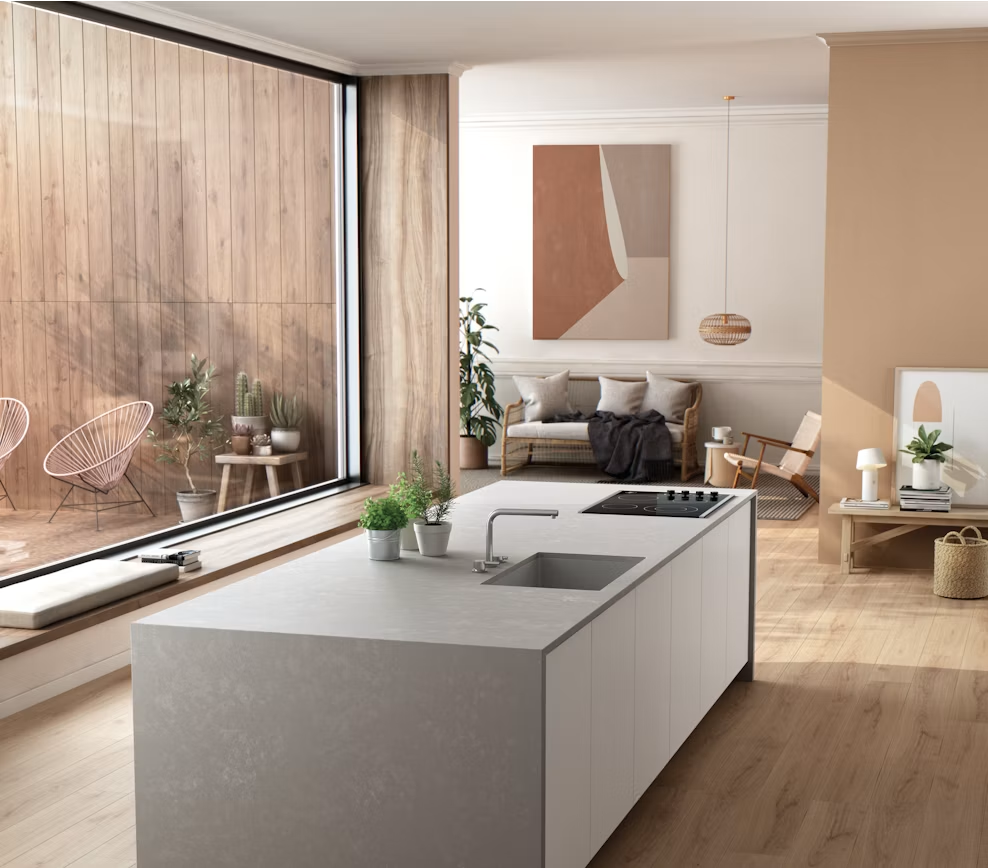
The material’s versatility means it can also be used to create kitchen islands, splashbacks and wall cladding, table tops and other complementary surfaces. Using the same material across different elements of a kitchen can create a particularly cohesive appearance.
Alternatively, contrasting colours and finishes can be used to make an island or another feature stand out from the main work surfaces.
For larger kitchens in particular, this gives designers considerable freedom to use the worktop material as part of the overall interior design rather than viewing it purely as a practical surface.
Is Silestone Easy to Look After?
Straightforward everyday maintenance is another reason Silestone is so popular for kitchens.
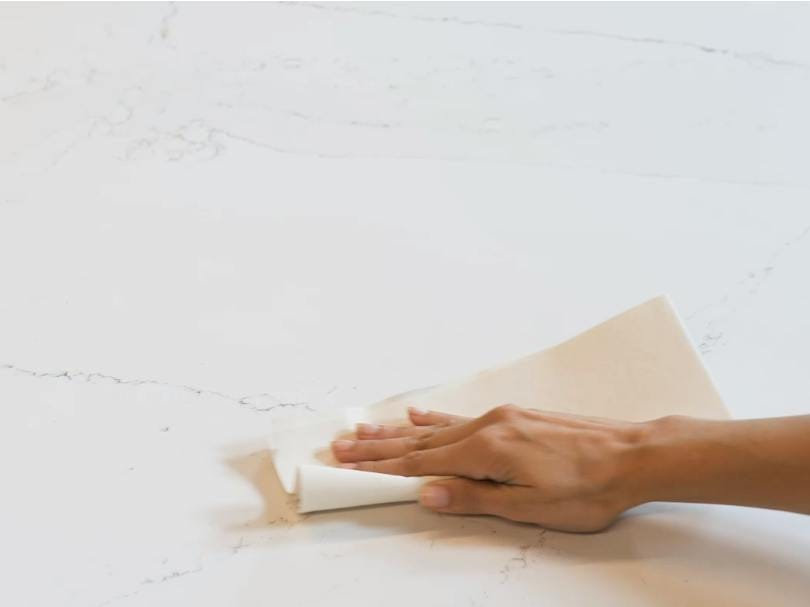
Cosentino recommends neutral soap and a damp microfibre cloth for routine cleaning, followed by removing any soap residue and drying the surface. Its low porosity and resistance to staining mean that everyday maintenance is relatively simple.
As with any quality work surface, sensible care is still important.
Silestone is heat resistant, but sudden changes in temperature can affect the material. Cosentino therefore recommends using a trivet or suitable heat-resistant mat rather than placing very hot cookware directly onto the worktop.
It is also good practice to use a chopping board when preparing food rather than routinely cutting directly on the surface.
With appropriate everyday care, Silestone provides a practical surface designed to cope with the demands of a busy kitchen.
Silestone or Natural Stone?
This is a question we are frequently asked, but the answer depends on what you want from your kitchen.
Granite provides the individuality of a completely natural material. Each slab has been created through geological processes and has its own natural variations in colour, pattern and markings.
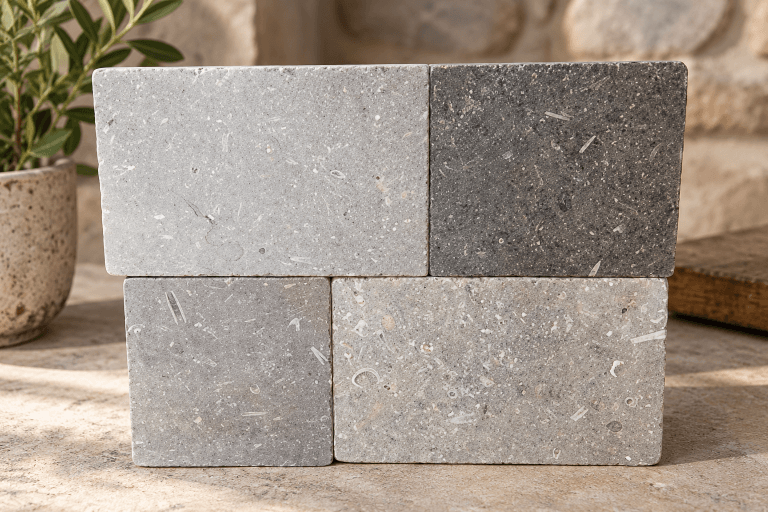
Our own Mandale Derbyshire Fossil Limestone offers something different again, with genuine fossil markings and a direct connection to the Derbyshire landscape from which it is quarried.
Silestone provides greater consistency and a particularly extensive choice of designs. If you have a specific colour scheme in mind or want a more predictable pattern across several sections of worktop, this can be a significant advantage.
There are also differences in maintenance, porosity, finishes and appearance that may influence your decision.
There isn’t one material that is automatically right for every kitchen. The best approach is to compare the options in person and consider how you want the finished kitchen to look and how the work surfaces will be used.
A More Sustainable Manufacturing Process
Silestone itself has changed significantly in recent years, and one of the biggest developments has been its manufacturing process.
Cosentino’s Hybriq+ technology has enabled the company to substantially reduce the crystalline silica content of Silestone while introducing premium minerals and recycled materials into its composition. Current Hybriq+ Silestone contains at least 20% recycled materials.
Cosentino also states that the manufacturing process uses 100% renewable electrical energy and 99% reused water.
For customers who may remember Silestone primarily as a quartz-based engineered surface, this represents a considerable evolution in both the composition of the product and the way it is manufactured.
Is Silestone Just for Kitchens?
Although kitchen worktops are perhaps its best-known application, Silestone can be used for much more.
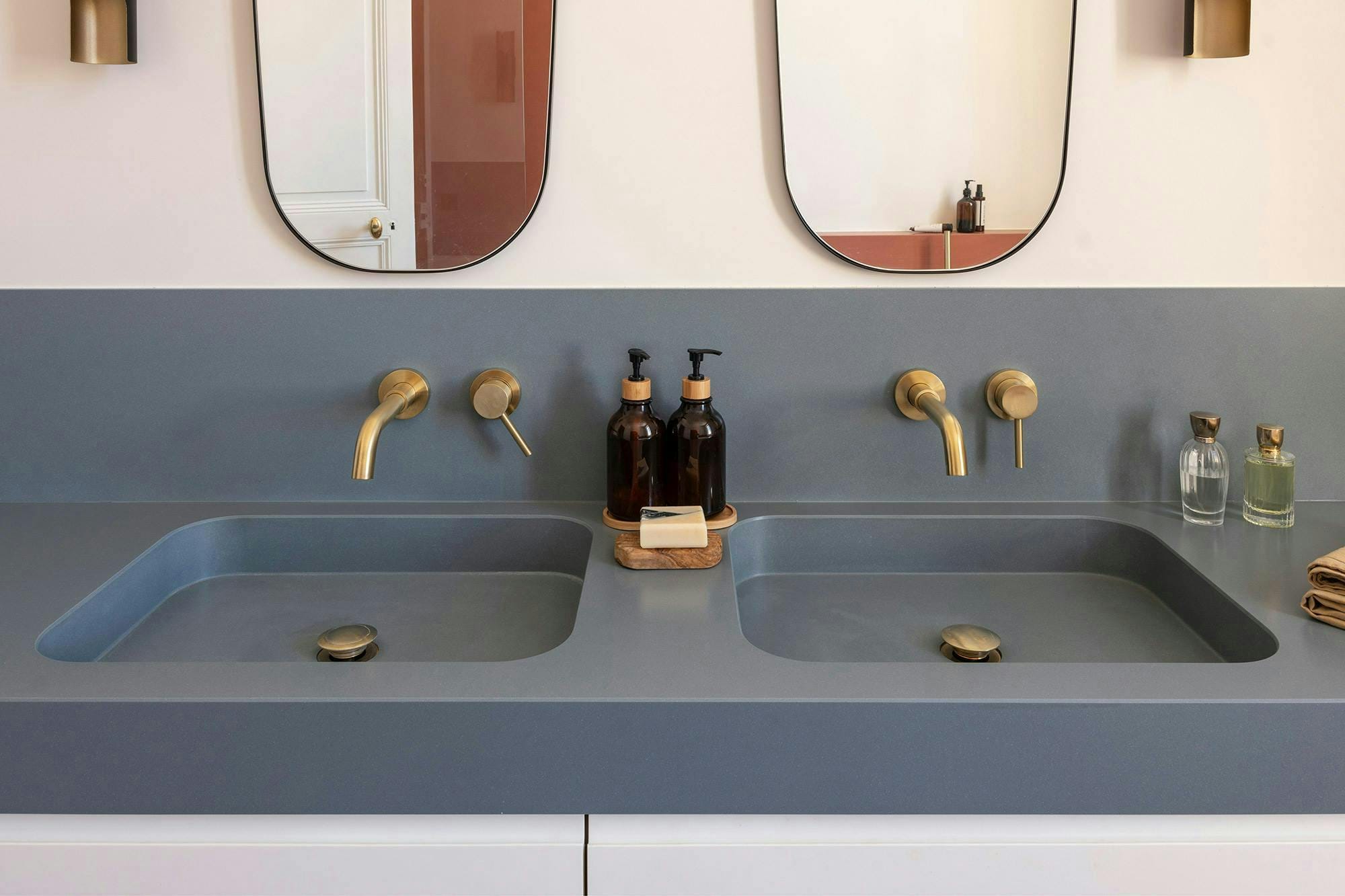
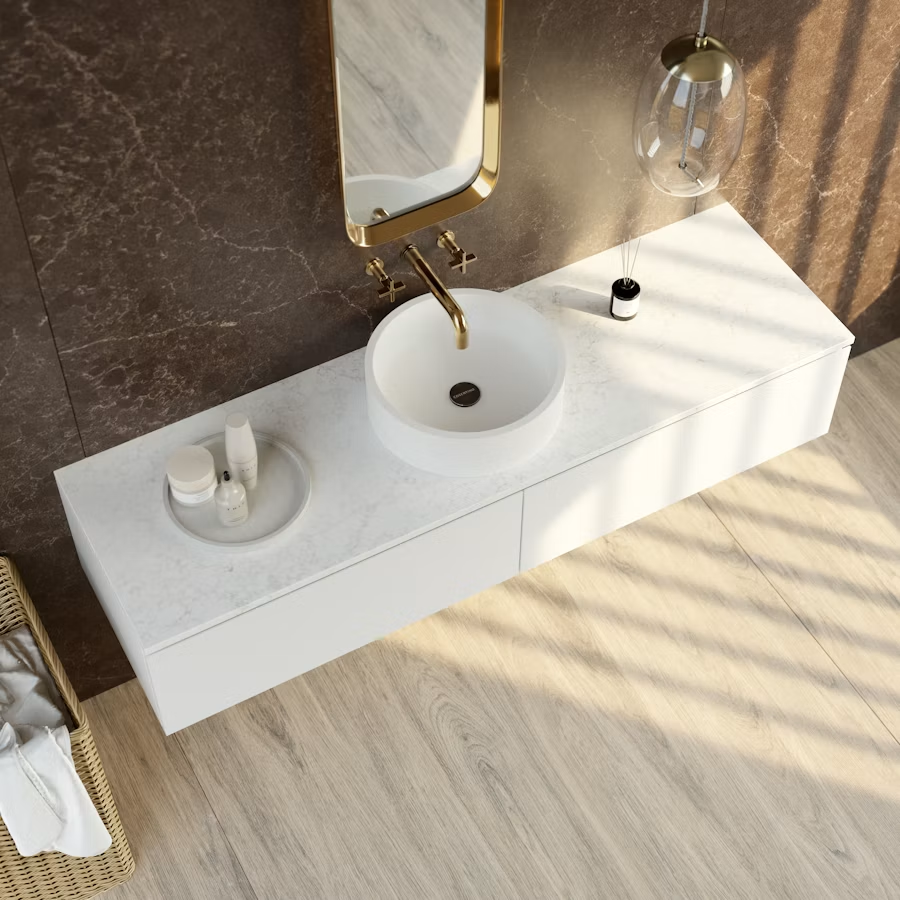
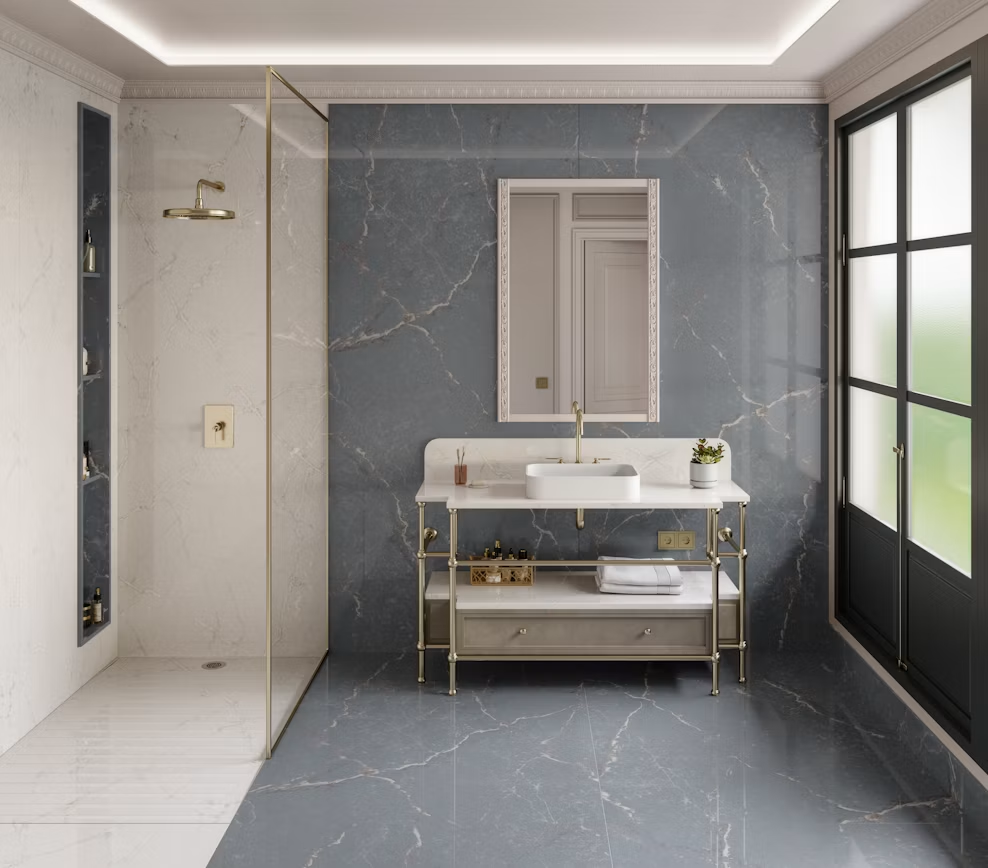
Its combination of low porosity, durability and design choice makes it suitable for bathroom vanity tops and other interior surfaces, as well as furniture, table tops, sinks, basins and wall cladding.
This can be particularly useful when the same surface or complementary finishes are required in different areas of a property.
Frequently Asked Questions About Silestone Worktops
Is Silestone a natural stone?
No. Silestone is a low-silica mineral surface manufactured by Cosentino rather than a quarried natural stone such as granite or limestone. Modern Silestone combines premium minerals and recycled materials using Cosentino’s Hybriq+ technology.
Is Silestone still made from 90% or more quartz?
No. That description relates to earlier generations of Silestone and should not be used to describe the current range. Cosentino states that current Silestone colours contain a maximum of 40% crystalline silica, with Silestone XM products containing a maximum of 10%.
Are Silestone worktops stain resistant?
Silestone has low porosity and high resistance to common household stains, making it particularly suitable for kitchen and bathroom surfaces.
Can you put hot pans directly onto Silestone?
It is best not to. Although Silestone is heat resistant, Cosentino advises that sudden changes in temperature can affect it and recommends using a trivet when placing hot objects on the surface. Cosentino
How do you clean Silestone worktops?
For routine cleaning, Cosentino recommends neutral soap and a damp microfibre cloth. Soap residue should then be removed and the surface dried.
Does Silestone need sealing?
Silestone is a low-porosity manufactured surface and does not require the periodic sealing normally associated with some natural stones. Its minimal maintenance requirements are one of its principal advantages.
Can Silestone be used outdoors?
Cosentino does not recommend Silestone for outdoor use because prolonged exposure to UV rays can damage its surface.
Discover Silestone Worktops at Natural Stone Sales Ltd
Choosing a worktop is much easier when you can compare materials, colours and finishes in person.
At Natural Stone Sales Ltd, we can help you explore the different options available and compare Silestone with granite, limestone and other worktop materials.
Whether you are planning an entirely new kitchen or replacing existing work surfaces, our experienced team can discuss the practical requirements of your project and help you choose a surface that complements both your kitchen and the way you use it.
Explore our Silestone Kitchen Worktops page to see more examples and discover the options available.
Visit Our Derbyshire Showroom
If you’re considering Silestone worktops, visit our Rowsley showroom where you can see materials and finishes for yourself and discuss your project with our team.
Natural Stone Sales Ltd
Old Station Yard
Rowsley, Matlock
Derbyshire, DE4 2EJ
Tel: 01629 735 507
Email: enquiries@naturalstonesalesltd.co.uk
If you’re planning a new kitchen, bring along your ideas, plans or measurements and talk to us about creating worktops specifically for your space.